How Regulations Like MiCA and GENIUS Are Ushering in a New Financial Order

For years, the crypto industry has thrived in uncertainty. Innovation was rapid, but so was the confusion. Companies were building the future of money, but governments weren’t sure how to react.
That era is ending.
Two landmark pieces of legislation: Europe’s Markets in Crypto-Assets (MiCA) 🇪🇺 and America’s Guiding and Establishing National Innovation for U.S. Stablecoins Act (GENIUS) are changing the global financial future. They are not just laws. They’re the foundation of a new financial order.
For over a decade, crypto existed behind the scenes. Traders and builders operated without clear rules. That brought freedom, but also scams, volatility, and the constant fear of a ban.
Now, governments are taking a different approach. Instead of banning crypto, they’re regulating it. And in doing so, they’re reshaping the global financial system.
- Bitcoin ETFs are now live around the world.
- Pension funds are allocating to digital assets.
- Sovereign wealth funds are quietly entering the space.
- And in the U.S., President Trump even announced a strategic Bitcoin reserve.
It’s clear that digital assets are becoming part of mainstream finance.
MiCA: Europe’s Unified Crypto Rulebook

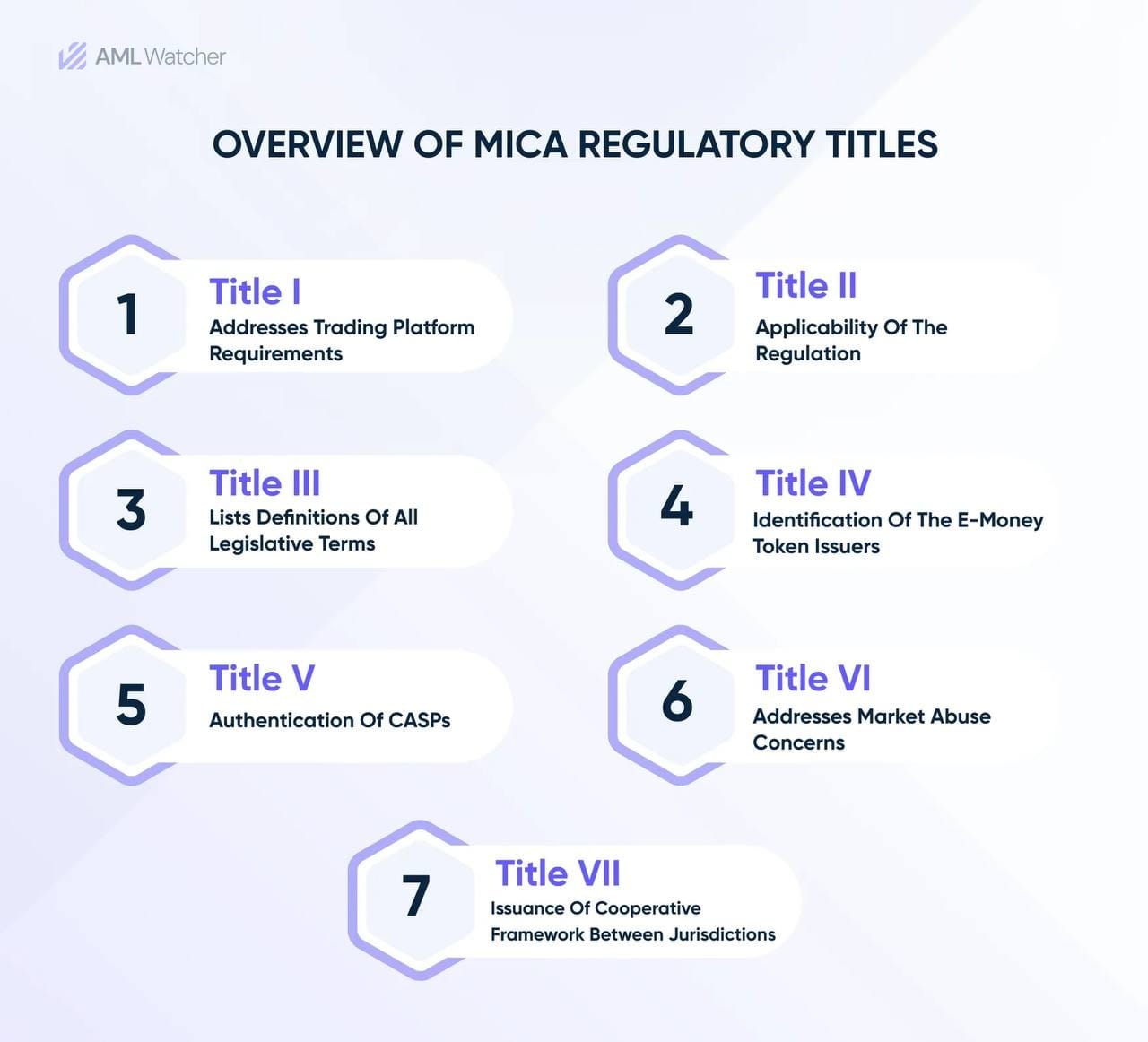
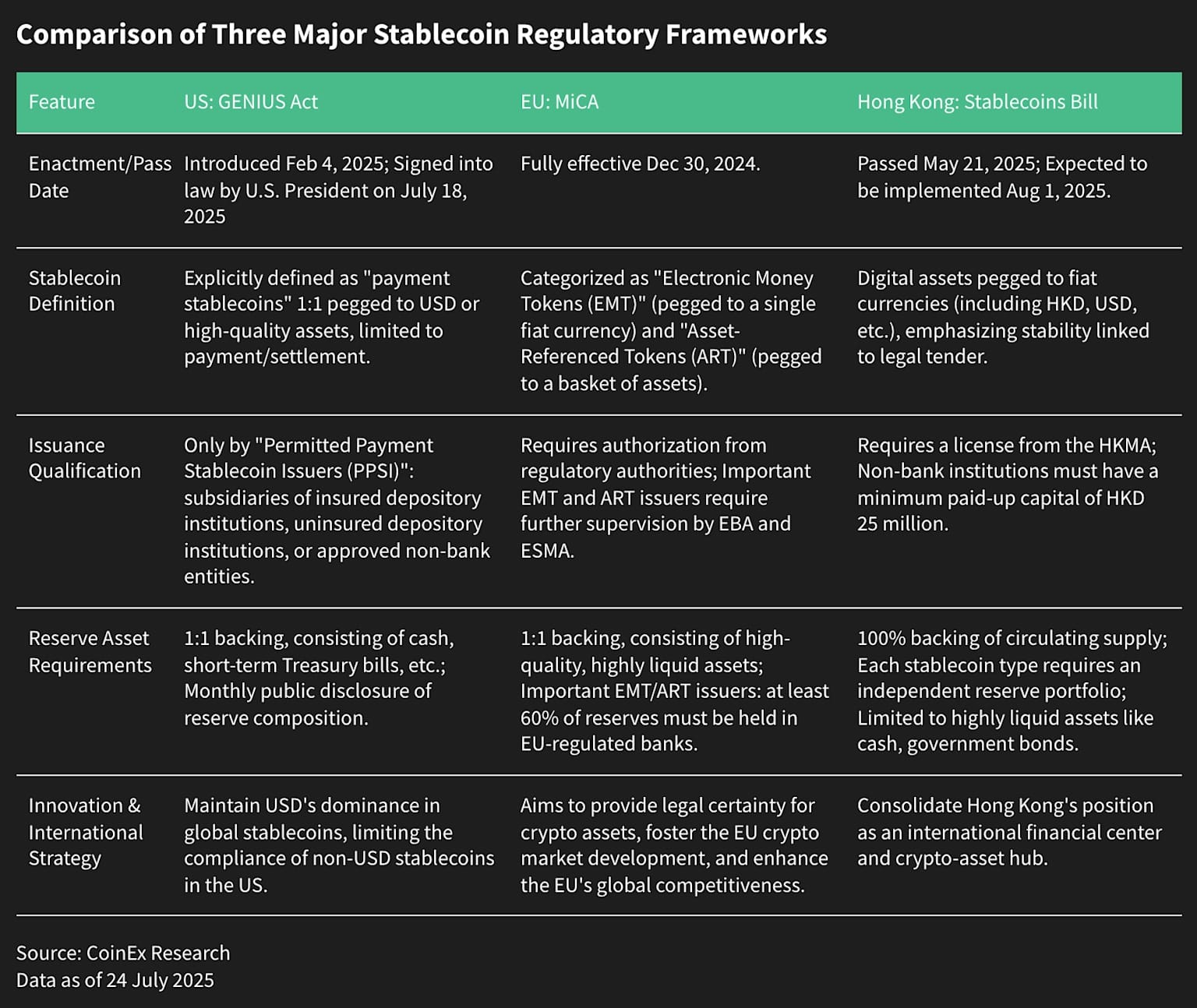
When MiCA came into full effect on December 30, 2024, it became the most comprehensive digital asset framework in the world.
Instead of 27 different sets of national rules, Europe now has one unified system.
This is an important game-changer.
Key highlights:
- A single license works across all EU countries.
- Stablecoins (called Asset-Referenced Tokens and E-Money Tokens) must be fully backed by reserves.
- Token issuers must publish clear white papers.
- Strict rules against money laundering and market manipulation.
- Environmental disclosures on crypto mining impact.
It’s balancing innovation with consumer protection.
The GENIUS Act: America’s Stablecoin Standard
On July 18, 2025, President Trump signed the GENIUS Act into law. It’s America’s first comprehensive framework for stablecoins,and it’s already changing markets.
Highlights include:
- Stablecoins must be backed 1:1 with U.S. dollars or very safe assets.
- Only licensed banks, credit unions, or approved institutions can issue them.
- Reserves must be reported monthly and audited.
- Consumers get first priority if an issuer goes bankrupt.
This law is specifically about payment stablecoins, the ones people use to actually buy, send, and spend money. Algorithmic or “investment” stablecoins don’t qualify.

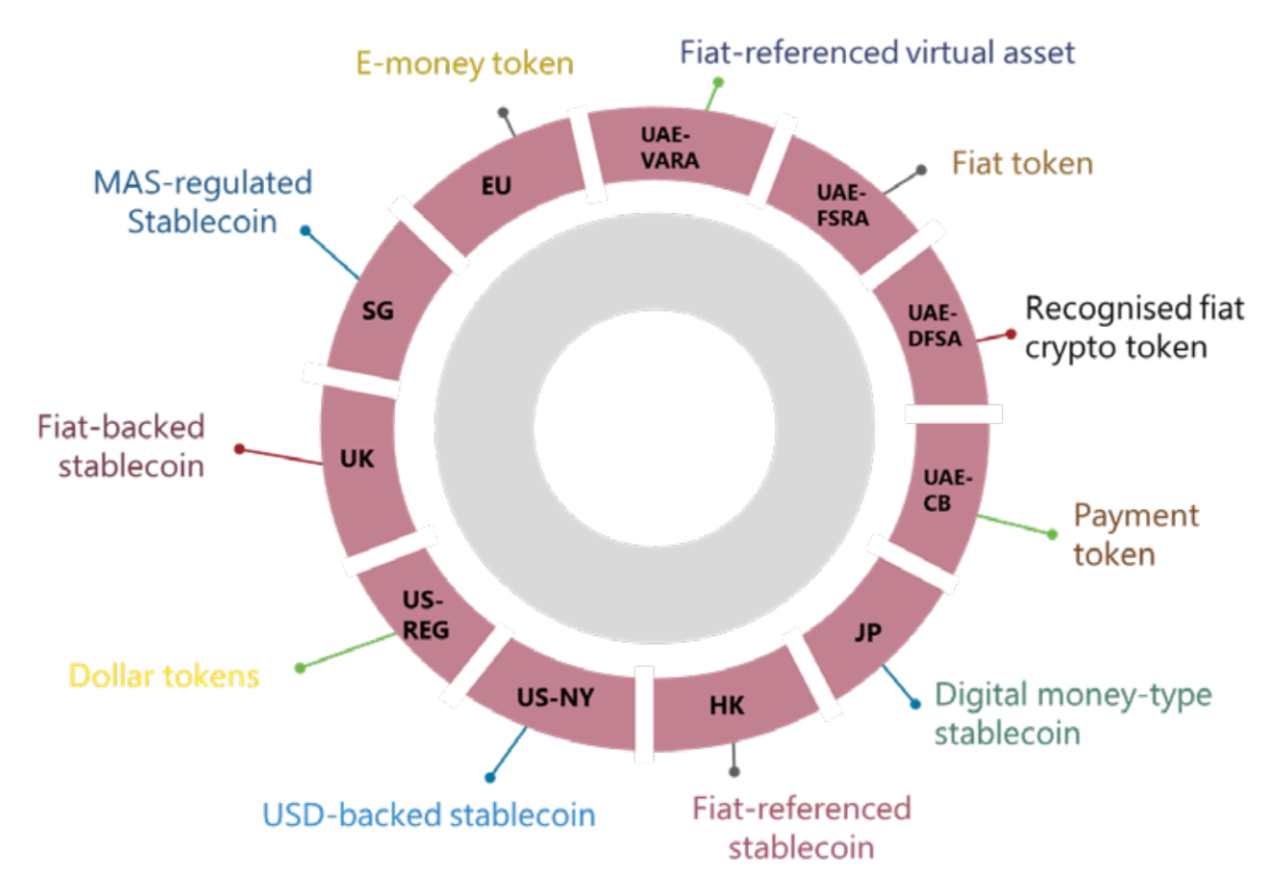
The success of MiCA and GENIUS is pushing other countries to follow:
- Canada 🇨🇦 is exploring similar frameworks.
- Singapore 🇸🇬 has stablecoin rules in the works.
- Hong Kong 🇭🇰 is testing new payment token standards.
- UAE 🇦🇪 is focusing on fiscal transparency.
- UK 🇬🇧 is preparing robust stablecoin rules.
What used to feel like the “Wild West” is now becoming a global race for regulatory clarity.
Market Reactions:
Markets love clarity.
The GENIUS Act’s signing sent Bitcoin over $123,000, pushing total crypto market cap above $4 trillion. Tokens tied to government partnerships, like PYTH and LINK, saw sharp gains.
Institutions are responding too:
- The MiCA Crypto Alliance, launched by the DLT Science Foundation with Ripple, Hedera, and Aptos, is coordinating compliance.
- DeFi projects are preparing to integrate official economic data directly into their platforms.
- Governments are even using blockchain for GDP data distribution and transparency dashboards.
Challenges and Criticisms
Of course, not everyone is cheering, there’s still some hiccups.
- Some economists worry the GENIUS Act could create “currency fragmentation” with too many private stablecoins.
- Consumer groups argue protections could go further.
- In Europe, the environmental disclosures under MiCA are complex and costly to implement.
Still, even critics agree: the train has left the station. Regulation is here to stay.
We’re entering a world where:
- Traditional banks issue digital dollars alongside fintech startups.
- Government data flows directly into blockchain networks.
- Cross-border payments settle in minutes.
- Compliance is written into the code itself.
The numbers speak for themselves: Europe’s crypto market, worth $6.9B in 2024, is projected to hit $27.6B by 2033. Regulation is turning speculation into sustainable growth.
In conclusion, the age of regulatory clarity has arrived. MiCA and GENIUS aren’t just rules, they’re the blueprint for the next generation of money.
Crypto has moved from chaos to compliance, from hype to infrastructure. What we’re seeing now isn’t the end of innovation. It’s the start of a financial system where stability and creativity coexist.
The Wild West of crypto is over. The regulated era of digital finance has begun.